
Ankle Pain Physiotherapy in Varsity Lakes
Whether you've rolled your ankle playing sport, developed pain while running, or are dealing with ongoing stiffness after a previous injury, our physiotherapists can help identify the cause of your symptoms and guide your recovery.
At Next Level Physiotherapy and Strength Studio, our approach focuses on understanding why your ankle pain developed, improving strength and movement, and helping you return to walking, running, training, and sport with confidence.
No referral required • Private health rebates available • Convenient Varsity Lakes location
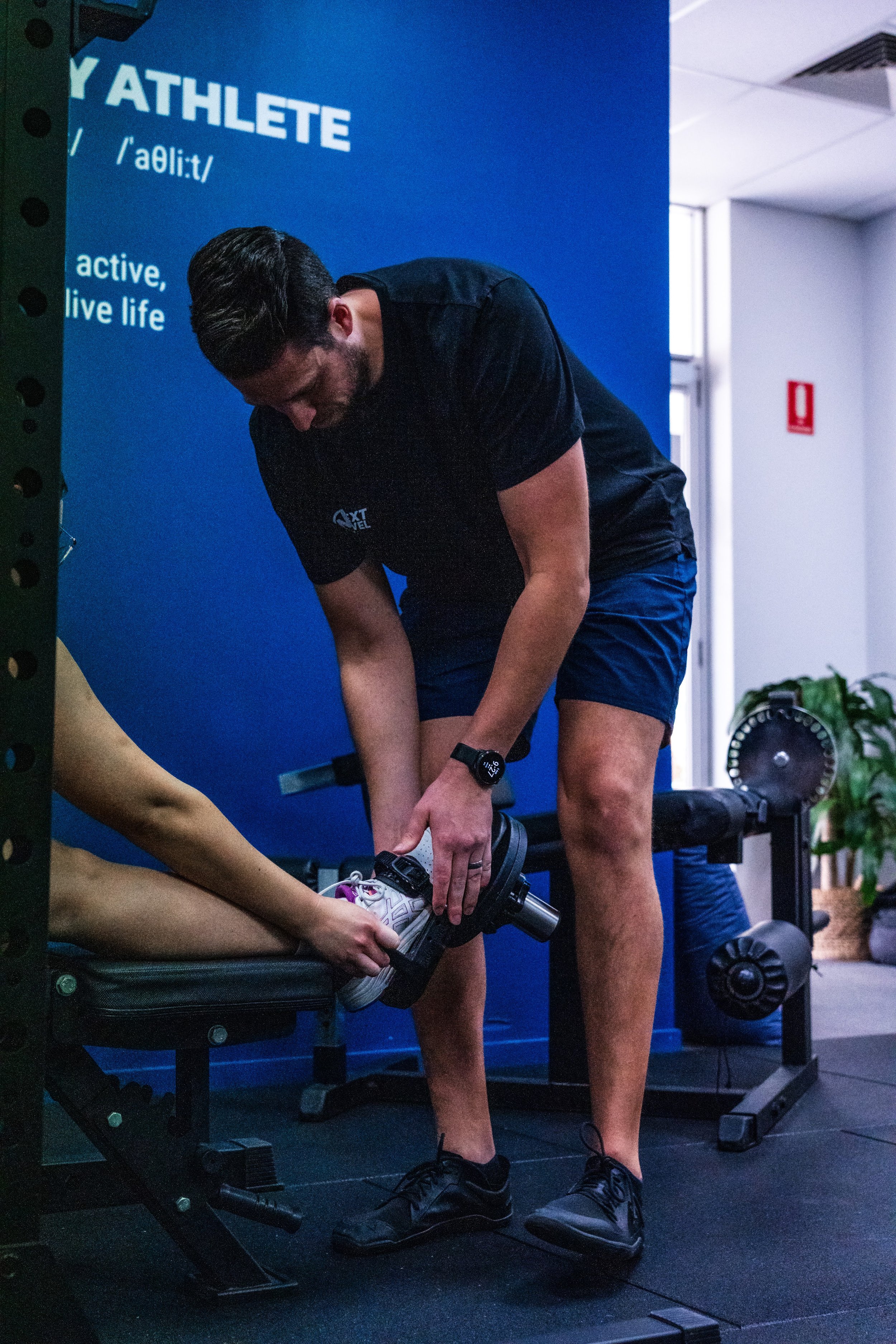
Are You Experiencing These Ankle Pain Symptoms?
Ankle pain can affect far more than walking.
It may make running uncomfortable, reduce your confidence during sport, limit gym training, or leave you worried about rolling your ankle again.
Common ankle symptoms include:
Pain while walking or running
Swelling around the ankle
Pain after rolling or twisting the ankle
Difficulty balancing on one leg
Stiffness, particularly first thing in the morning
Pain during squats, lunges or jumping
Ongoing instability or repeated ankle sprains
Achilles pain during or after activity
Whether your symptoms started after a specific injury or gradually developed over time, physiotherapy can help identify what's contributing to your pain and develop a plan to help you return to activity with confidence.
Common Causes of Ankle Injuries
Ankle pain can develop suddenly after an injury or gradually from repeated loading over time.
Some of the most common causes include:
Ankle sprains
Achilles tendinopathy
Peroneal tendon irritation
Joint stiffness following previous injury
Running-related overload
Reduced ankle mobility
Balance and stability deficits
Returning to sport too quickly after injury
Pain isn't always caused by one single structure.
Often, it reflects a combination of movement, strength, training load and previous injury history.
Understanding these contributing factors allows rehabilitation to target the cause of your symptoms rather than simply managing the pain. This is a key principle of Exercise-Based Rehabilitation.
You may also find it helpful to read about our physiotherapy services for:
How Physiotherapy Helps Ankle Pain
Every ankle injury is different, so treatment begins by understanding your symptoms before developing a structured Injury Rehabilitation plan tailored to your goals, lifestyle, and activity level.
Your rehabilitation may include:
Assessing ankle movement and mobility
Progressive strengthening exercises
Balance and proprioception training
Improving calf and lower limb strength
Running and jumping progression where appropriate
Education around training load and recovery
Hands-on treatment when appropriate
The goal isn't simply to reduce pain.
It's to help you regain confidence in your ankle and return to the activities you enjoy.
Our Approach to Ankle Pain Rehab
At Next Level Physiotherapy and Strength Studio, we believe successful rehabilitation goes beyond settling symptoms.
Our approach focuses on identifying why your ankle pain developed, improving your body's ability to tolerate movement, and progressively rebuilding the strength, balance, and confidence needed for everyday life, training, and sport.
Where appropriate, your injury rehabilitation program may include progressive strengthening, mobility exercises, balance training, and gradual exposure to activities such as running, jumping, lifting, or returning to sport.
Rather than relying on passive treatment alone, we focus on improving your body's capacity to handle the demands of everyday life, work, running, and sport through progressive strengthening and movement-based rehabilitation.
As your symptoms improve, rehabilitation also focuses on reducing the risk of future ankle injuries by improving strength, movement quality, balance, and load tolerance through Injury Prevention Physiotherapy.
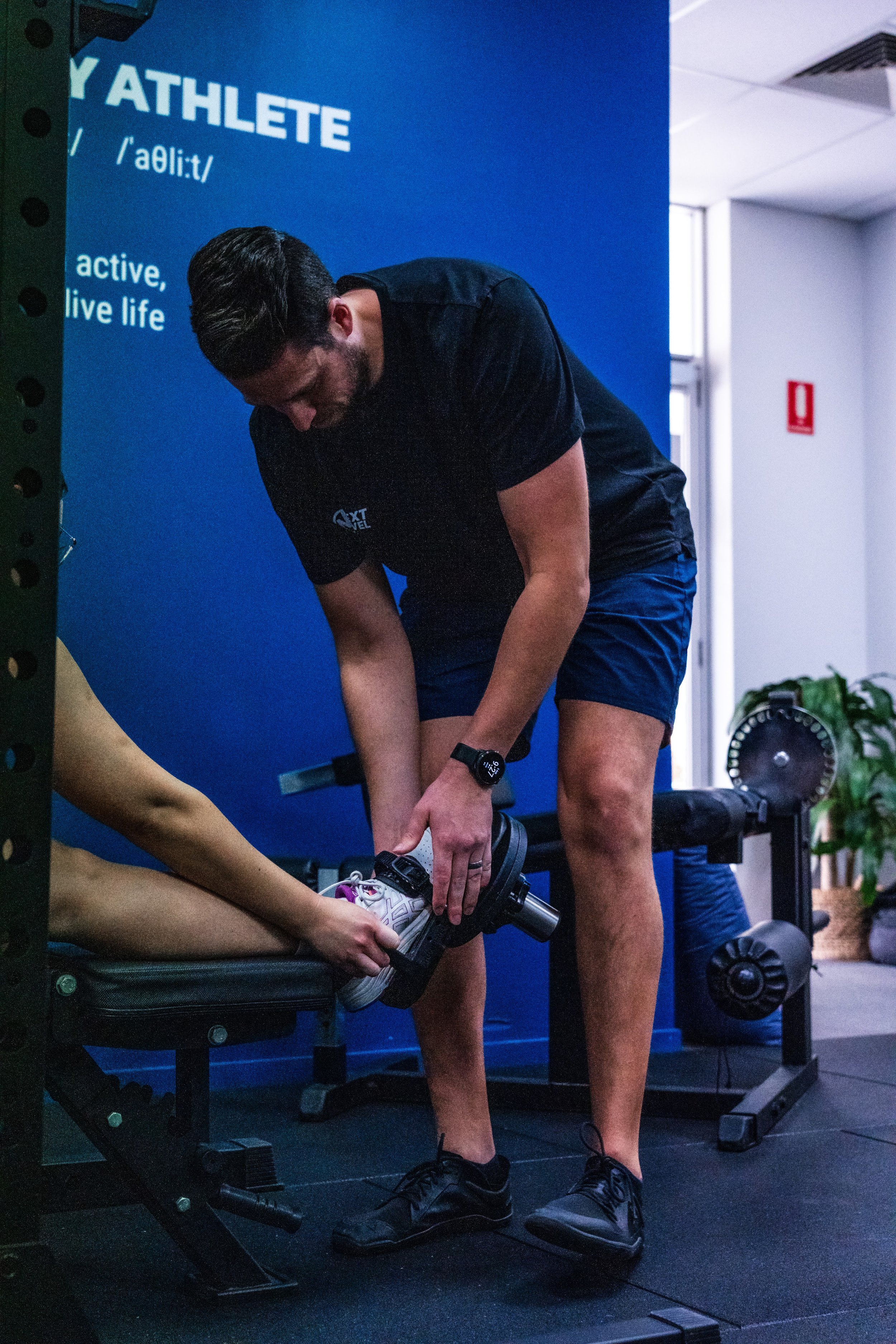
Ready to Start Your Recovery?
If ankle pain is limiting your walking, running, training, or sport, we're here to help.
What to Expect At Your First Appointment
Your first appointment is a comprehensive 60-minute assessment focused on understanding your ankle pain and what contributes to it.
We'll discuss how your symptoms started, your activity levels, previous injuries, and your goals before assessing your movement, strength, balance, and ankle function.
From there, we'll explain what's likely contributing to your symptoms, answer your questions, and develop a personalised rehabilitation plan to help you return to the activities that matter most to you.
Many people begin exercise-based rehabilitation during their first appointment and leave with a clear understanding of what to do next.
Why Choose Next Level Physiotherapy?
Our clients choose Next Level Physiotherapy because we take the time to understand their injury, goals and lifestyle. We focus on clear communication and personalised rehabilitation plans designed to support long-term recovery, not just short-term symptom relief.
We combine hands-on treatment, education and progressive exercise rehabilitation to help you feel confident in your recovery. Our goal is to help you return to the activities you enjoy safely and with improved strength and movement confidence.
Individualised rehabilitation plans
Evidence-based physiotherapy treatment
Focus on long-term strength and injury prevention
Support for returning to sport, training and everyday activity
Friendly and supportive clinic environment
Whether you are managing pain, recovering from injury or working toward returning to training, our physiotherapists aim to provide clear guidance and practical rehabilitation to help you achieve long-term results.
If your ankle pain has persisted for several months or keeps returning despite previous treatment, our approach to Chronic Pain Physiotherapy may also be appropriate.
Related Articles On Ankle Pain
If you’d like to better understand what may be contributing to your ankle pain, these articles may help (coming soon).
Looking For More Gym Injury Resources?
If your ankle pain developed during gym training, strength training, or weightlifting, explore our Gym Injury Rehabilitation guide for injury-specific advice, rehabilitation resources, and articles to help you return to training with confidence.
Ankle Pain Physiotherapy FAQs
-
Many ankle sprains recover well with appropriate rehabilitation. Physiotherapy can help restore strength, balance, mobility, and confidence while reducing the risk of ongoing instability or future ankle sprains. Early rehabilitation is often beneficial, particularly if you're hoping to return to running, sport, or gym training.
-
Recovery depends on the severity of the injury. Mild ankle sprains may improve within a few weeks, while more significant injuries can take several months to fully recover. Returning to activity before your strength, balance, and load tolerance have been restored may increase the risk of recurring ankle problems.
-
This depends on the severity of the injury. Many people benefit from gradually returning to walking as symptoms allow, but severe pain, significant swelling, or an inability to bear weight should be assessed promptly. Your physiotherapist can guide you on how to safely progress your activity.
-
Recurring ankle sprains often occur because the ankle hasn't fully regained its strength, balance, and stability following the original injury. A structured rehabilitation program helps address these deficits and reduces the likelihood of repeated sprains.
-
Yes. Physiotherapy is one of the primary treatments for Achilles tendon pain. Rehabilitation typically focuses on progressive strengthening, improving calf capacity, managing training loads, and gradually returning to running or sport.
-
Returning to running or sport depends on more than simply being pain-free. Before returning, your ankle should have regained adequate strength, balance, mobility, and confidence to cope with the demands of your activity. A gradual return-to-sport plan helps reduce the risk of re-injury and supports long-term recovery.
Start Your Ankle Pain Recovery Today
Whether you're recovering from an ankle sprain, managing Achilles tendon pain, or struggling with ongoing ankle instability, a structured rehabilitation plan can help you move with greater confidence and return to the activities you enjoy.
Book a physiotherapy appointment today and take the first step towards stronger, more resilient movement.
No referral required • Private health rebates available • Convenient Varsity Lakes location