
Exercise-Based Rehabilitation in Varsity Lakes
Exercise-based rehabilitation is a key part of physiotherapy and focuses on helping people recover from injury, reduce pain and improve long-term movement confidence through structured strength and movement training. Our physiotherapists use progressive rehabilitation programs to improve physical capacity, movement control and resilience rather than relying solely on passive treatment.
At Next Level Physiotherapy and Strength Studio in Varsity Lakes, exercise-based rehabilitation is delivered through structured assessment and individualised programs as part of our physiotherapy services. Our clinic supports clients across the Gold Coast, including Robina, Burleigh Waters and Mermaid Waters.
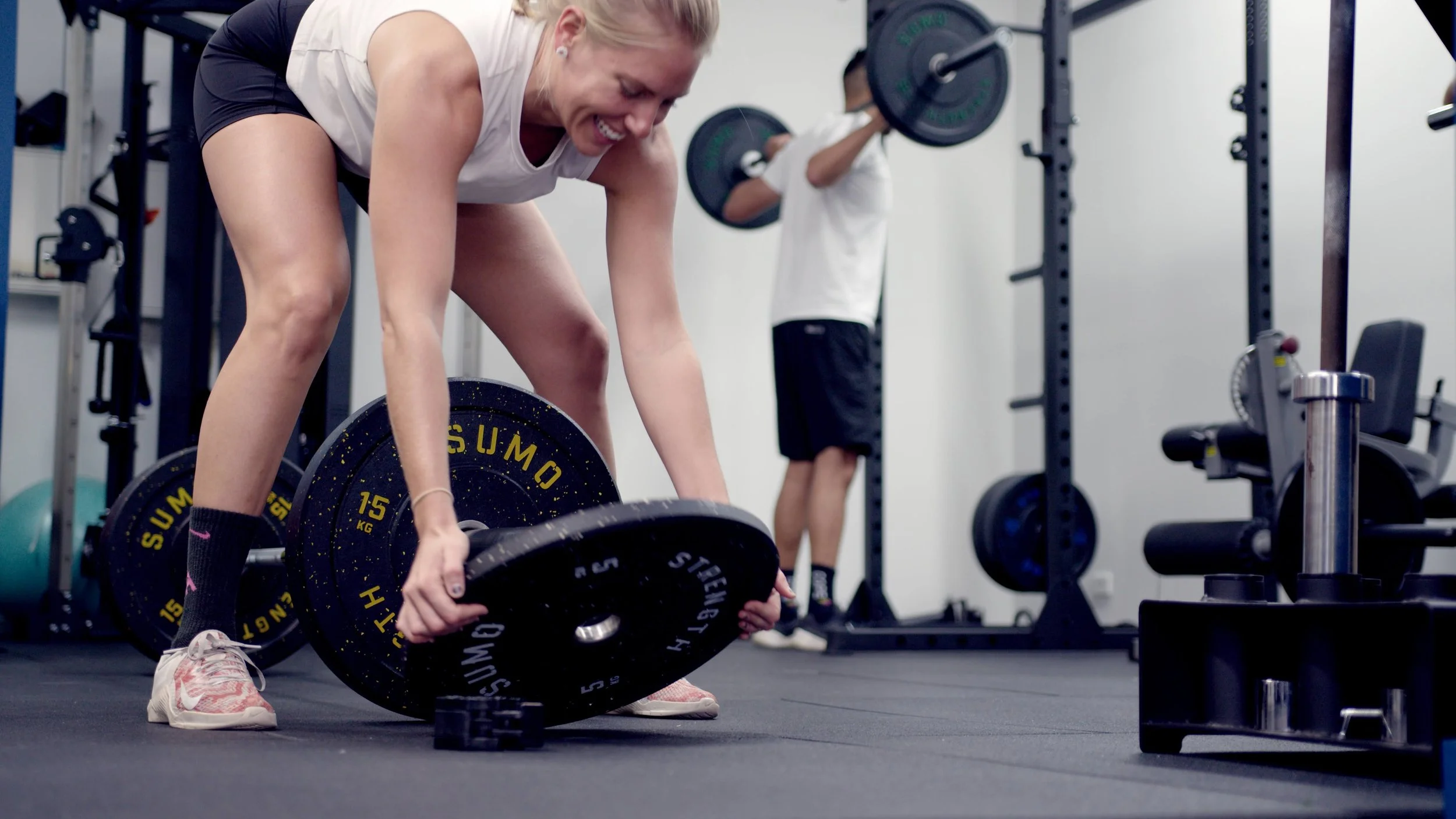
What is Exercise-Based Rehab?
Exercise-based rehabilitation uses targeted strength and movement training to support recovery from injury and improve long-term musculoskeletal health. Programs are structured and progressed over time to improve joint stability, movement control, and load tolerance.
Unlike passive treatment alone, exercise-based rehabilitation addresses the underlying factors contributing to symptoms and supports lasting recovery.
How Exercise-Based Rehab Supports Recovery
Exercise-based rehabilitation can help:
Improve muscle strength and joint stability
Restore efficient movement patterns
Improve tolerance to training and daily activity
Reduce recurring injury risk
Support long-term physical performance
Research consistently supports exercise-based rehabilitation as one of the most effective components of long-term musculoskeletal injury recovery and prevention.
Who Can Benefit From Exercise-Based Rehabilitation?
Exercise-based rehab may benefit people recovering from a wide range of musculoskeletal conditions, particularly where long-term strength and movement confidence are key to recovery.
This commonly includes people who are managing:
Chronic pain conditions
Sports injuries
Post-surgical rehabilitation
Exercise-based rehabilitation is also central to structured injury rehabilitation programs following acute muscle, tendon or ligament injuries.
Structured rehabilitation is especially important when symptoms persist beyond expected healing timeframes, when strength declines due to reduced activity, or when flare-ups occur upon returning to training.
Rather than relying solely on short-term symptom relief, exercise-based rehabilitation focuses on rebuilding physical capacity so you can tolerate work, sport and daily movement with greater confidence.
Our Approach to Rehabilitation
At Next Level Physiotherapy, rehabilitation programs are individualised and progress gradually as strength and confidence improve. Treatment begins with a thorough assessment to understand movement patterns, load tolerance and recovery goals.
Your rehabilitation may include:
Detailed movement assessment
Progressive strength training
Mobility and control exercises
Load management planning
Structured return-to-sport rehabilitation when appropriate
Where appropriate, rehabilitation also includes strategies focused on long-term resilience, such as injury-prevention physiotherapy.
If you’re unsure whether exercise-based rehabilitation is right for your condition, booking an initial physiotherapy appointment can help clarify your next steps and recovery plan.

Managing Persistent or Recurrent Pain
Exercise-based rehab is particularly important for individuals managing persistent symptoms. Structured loading and gradual progression are key components of chronic pain rehabilitation, helping restore confidence and reduce flare-ups over time.
What To Expect At Your Rehab Sessions
Your physiotherapist will guide you through structured exercise programs designed to match your recovery stage and goals.
Sessions focus on building confidence, improving strength and supporting safe return to activity.
Why Exercise Rehab Matters For Long-Term Recovery
Passive treatments can help reduce symptoms, but long-term recovery often requires improving strength, movement control and load tolerance.
Exercise-based rehabilitation helps support lasting results and can reduce future injury risk.
Exercise-Based Rehabilitation FAQs
-
No. Exercise programs are tailored to your current tolerance and progressed gradually. You do not need to be completely pain-free to begin rehabilitation.
-
Yes. Structured, graded loading is one of the most effective strategies used in chronic pain rehabilitation to improve movement tolerance and confidence.
-
Not necessarily. Hands-on treatment may be used when appropriate, but long-term recovery typically requires structured strength and movement progression.
-
Timelines vary depending on injury type, severity and goals, but most programs focus on gradual improvement over several weeks to months.
-
No referral is required to book an appointment at our Varsity Lakes clinic.
Start Your Rehab Journey Today
If you’re recovering from injury or managing ongoing pain, our physiotherapists can help you build strength and confidence through structured rehabilitation.
No referral required • Private health rebates available • Convenient Varsity Lakes location