
Dry Needling in Varsity Lakes
Dry needling is a physiotherapy technique used to reduce muscle pain, improve movement and support injury rehabilitation. Our physiotherapists use dry needling alongside structured exercise-based rehabilitation to help address the underlying cause of symptoms and restore comfortable movement.
At Next Level Physiotherapy and Strength Studio in Varsity Lakes, dry needling is delivered as part of a comprehensive physiotherapy approach designed to support recovery from injury, manage persistent pain and help people safely return to training and daily activity across the Gold Coast.
No referral required • Private health rebates available • Convenient Varsity Lakes location
What Is Dry Needling?
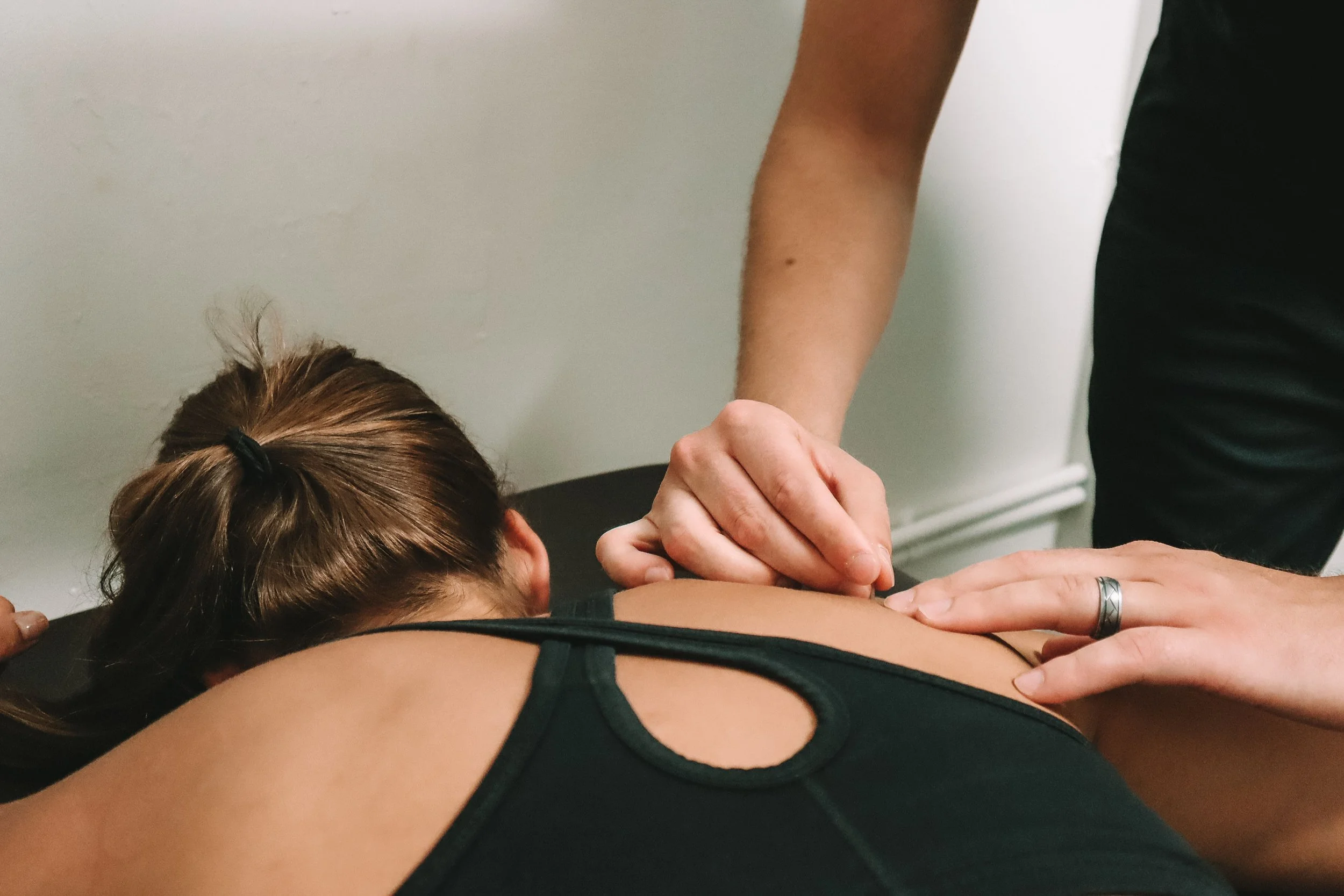
Dry needling is a technique used by trained physiotherapists to target myofascial trigger points and areas of muscular tension. A thin, sterile needle is inserted into tight or painful muscle tissue to reduce sensitivity, improve blood flow, and restore normal movement.
It is commonly used to treat muscle-related pain, stiffness, and movement restrictions.
What Conditions Can Dry Needling Help?
Dry needling may be used as part of physiotherapy treatment for:
Shoulder pain and rotator cuff injuries
Neck pain and headaches
Tendinopathy
Sports-related muscle strains
If muscle tension, recurring pain or stiffness is limiting your training or daily movement, a physiotherapy assessment can help determine whether dry needling is appropriate for your condition.
Dry needling is commonly integrated within structured injury rehabilitation programs to reduce muscle tension and support progressive loading.
Dry Needling vs Acupuncture
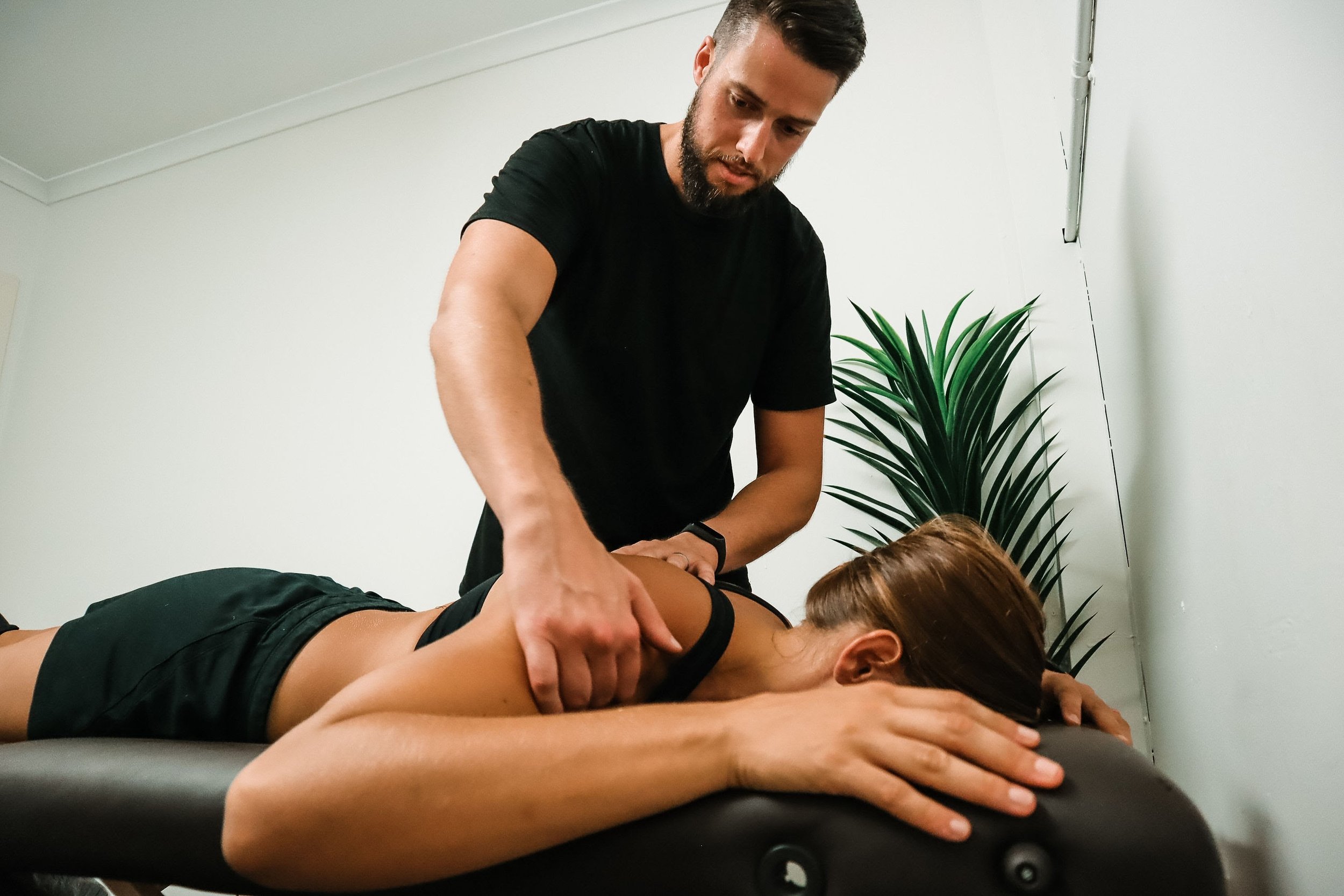
While both techniques use fine needles, dry needling is based on modern musculoskeletal and anatomical principles. It focuses on treating muscle dysfunction and pain patterns identified during physiotherapy assessment.
Acupuncture is traditionally based on Chinese medicine meridian theory.
At Next Level Physiotherapy and Strength Studio, dry needling is used within an evidence-based rehabilitation framework.
Is Dry Needling Safe?
Dry needling is safe when performed by a qualified physiotherapist. You may experience mild soreness for 24–48 hours following treatment.
Before treatment, your physiotherapist will assess whether dry needling is appropriate for your condition and discuss any risks.
Dry needling is often used as part of our chronic pain physiotherapy programs when muscle tension contributes to persistent pain.
What to Expect During Your Appointment
During your appointment:
A detailed assessment is performed
The targeted muscles are identified
Sterile needles are inserted briefly
Treatment is observed for effectiveness
While dry needling can be used as a standalone treatment, it’s most effective when combined with exercise-based rehabilitation.
Why Choose Next Level Physiotherapy?
Our clients choose Next Level Physiotherapy because we take the time to understand their injury, goals and lifestyle. We focus on clear communication and personalised rehabilitation plans designed to support long-term recovery, not just short-term symptom relief.
We integrate dry needling with education and progressive exercise rehabilitation to help you feel confident in your recovery. Our goal is to help you return to the activities you enjoy safely and with improved strength and movement confidence.
Individualised rehabilitation plans
Evidence-based physiotherapy treatment
Focus on long-term strength and injury prevention
Support for returning to sport, training and everyday activity
Friendly and supportive clinic environment
Whether you are managing pain, recovering from injury or working toward returning to training, our physiotherapists aim to provide clear guidance and practical rehabilitation to help you achieve long-term results.
Dry Needling FAQs
-
You may feel a brief twitch or mild discomfort during treatment. Some soreness can occur for 24–48 hours afterward.
-
The number of sessions varies depending on your condition and rehabilitation goals. Dry needling is usually combined with exercise-based treatment.
-
No. Dry needling is based on modern musculoskeletal assessment and targets muscle dysfunction identified during physiotherapy evaluation.
-
No referral is required. You can book directly with our clinic. Physiotherapists are primary healthcare providers and can assess and treat musculoskeletal injuries without a GP referral.
Book Dry Needling in Varsity Lakes
If muscle tightness, persistent pain or injury-related stiffness is limiting your movement, dry needling may help as part of a structured physiotherapy plan.
If you’re unsure whether dry needling is appropriate, start with an initial physiotherapy appointment so we can assess your condition and recommend the most appropriate treatment approach.
No referral required • Private health rebates available • Convenient Varsity Lakes location